

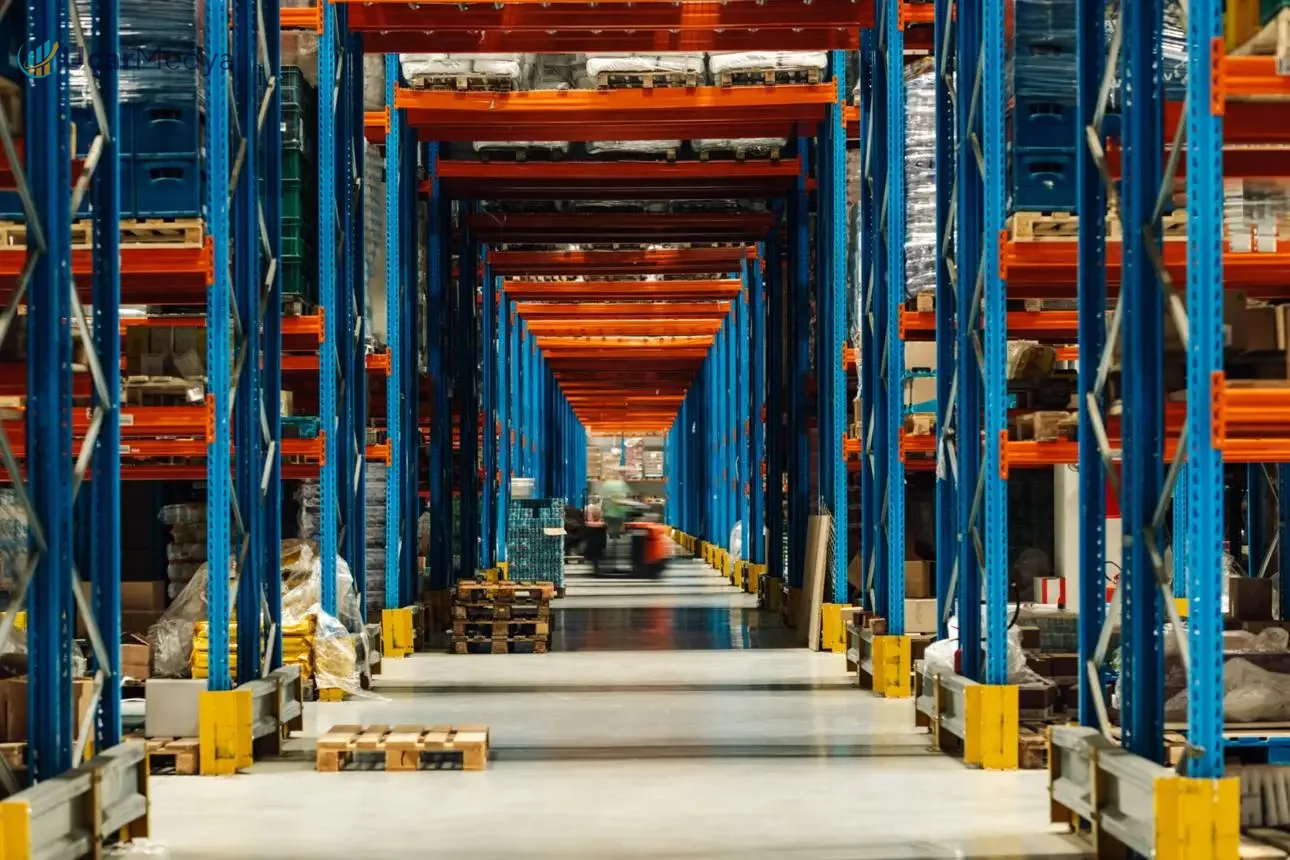
Strategic warehouse management in heavy industry 2026 has become one of the most critical components of modern logistics systems. Industries such as steel production, automotive manufacturing, energy, and defense rely heavily on efficient warehouse operations to maintain uninterrupted production cycles. Unlike traditional storage environments, heavy industry warehouses handle large-scale materials, high-value inventory, and complex supply chains.
In 2026, businesses are no longer treating warehouses as passive storage spaces. Instead, they are evolving into strategic operational hubs that directly influence productivity, cost control, and competitive advantage.
- Why Warehouse Management Is Critical in Heavy Industry
- Key Trends in Warehouse Management for 2026
- Core Strategies for Effective Warehouse Management
- Role of Technology in Heavy Industry Warehousing
- Cost Reduction Strategies
- Safety and Compliance in Industrial Warehouses
- Global Comparison and Internal Linking
- Future of Warehouse Management in Heavy Industry
Why Warehouse Management Is Critical in Heavy Industry
Heavy industry operates with high-cost raw materials and large-volume goods. Any inefficiency in warehouse operations can result in significant financial losses and production delays.
The importance of strategic warehouse management in heavy industry 2026 can be summarized as follows:
- Ensures uninterrupted production flow
- Reduces operational and storage costs
- Minimizes inventory errors and losses
- Improves workplace safety and compliance
- Enhances supply chain visibility
Without a structured warehouse strategy, even the most advanced production systems can fail due to material shortages or mismanagement.
Key Trends in Warehouse Management for 2026
The landscape of heavy industry warehouse management is rapidly changing with technological advancements.
1. Smart Warehouse Systems
IoT-enabled sensors and tracking systems allow real-time monitoring of inventory. This reduces errors and improves efficiency across all warehouse operations.
2. Automation and Robotics
Automated guided vehicles (AGVs) and robotic systems are replacing manual handling processes. These systems reduce labor costs and increase operational speed.
3. Data-Driven Decision Making
Companies are now using advanced analytics to predict demand, optimize stock levels, and improve warehouse layout efficiency.
Core Strategies for Effective Warehouse Management
To succeed in strategic warehouse management in heavy industry 2026, companies must implement structured and scalable strategies.
1. Inventory Optimization
Maintaining the right balance between overstocking and stock shortages is essential. Excess inventory increases costs, while insufficient stock disrupts production.
2. Warehouse Layout Optimization
Efficient warehouse design ensures faster movement of goods and reduces handling time. Strategic placement of high-demand items improves workflow.
3. Workforce Efficiency
Training employees and integrating human-machine collaboration enhances productivity and reduces operational errors.
Role of Technology in Heavy Industry Warehousing
Technology plays a central role in modern warehouse operations. Systems such as warehouse management software (WMS), RFID tracking, and AI-driven analytics are transforming logistics.
Organizations like World Economic Forum highlight how digital transformation is reshaping industrial logistics globally.
Additionally, global standards and supply chain practices can be explored through International Federation of Robotics, which emphasizes the increasing adoption of automation in warehouses.
Cost Reduction Strategies
One of the primary goals of strategic warehouse management in heavy industry 2026 is cost reduction. This can be achieved through:
- Reducing idle inventory
- Improving storage density
- Automating repetitive tasks
- Optimizing transportation within warehouses
These strategies not only reduce expenses but also improve overall efficiency.
Safety and Compliance in Industrial Warehouses
Heavy industry warehouses involve high-risk environments. Proper safety measures are essential to protect workers and assets.
Key safety practices include:
- Regular equipment inspections
- Employee safety training
- Compliance with international safety standards
- Implementation of smart monitoring systems
A well-managed warehouse reduces accidents and ensures long-term operational stability.
Global Comparison and Internal Linking
Warehouse management practices vary across regions depending on technological adoption and industrial development levels.
For a localized logistics perspective, you can also explore the Turkish version of this topic here:
ucarmedya.com/agir-sanayide-depo-yonetimi-2026
Future of Warehouse Management in Heavy Industry
The future of strategic warehouse management in heavy industry is closely tied to digital transformation. AI-powered systems, autonomous vehicles, and smart logistics platforms will continue to evolve.
Companies that invest in advanced warehouse technologies will gain a significant competitive advantage, while those that fail to adapt may struggle to keep up with industry demands.
In 2026, warehouse management is no longer just about storage—it is about strategy, efficiency, and innovation. Businesses that embrace this mindset will not only reduce costs but also enhance their operational resilience in an increasingly competitive global market.





Bir Cevap Yaz
E-posta adresiniz yayınlanmayacak. Gerekli alanlar * ile işaretlenmişlerdir.